AI Insights, Real Stories, and Game-Changing Guides for the Next-Gen Furnishing Professional.

Blog
Emerging Trends in Furnishing Management for 2026
The world of furnishing management is evolving rapidly, shaped by consumer behaviour shifts, technological breakthroughs, and sustainability consciousness. Whether you’re a furniture business owner, interior designer, project manager, or décor enthusiast, understanding these trends will help you stay ahead and deliver exceptional spaces that resonate with clients.
In this blog, we explore the most influential trends shaping furnishing management in 2026 — from sustainability and customization to tech-driven workflows and holistic design thinking.
1. Sustainability Is No Longer Optional — It’s Expected
The push toward eco-friendly furnishing isn’t just a design buzzword — it’s a core industry driver. Consumers and businesses alike increasingly prioritize products and processes with low environmental impact. Furniture made from recycled materials, certified sustainable wood, and biodegradable fabrics is experiencing a surge in demand. Manufacturers and suppliers are adopting circular economy principles, such as take-back programs and furniture refurbishing services, to extend product lifespans and reduce waste.
In furnishing management, this trend translates into sourcing decisions, inventory planning, and client recommendations. Today’s managers must balance aesthetic appeal with environmental responsibility, guiding clients toward choices that align with ecological values.
2. Personalization & Customization: From Mass Production to Tailored Solutions
Furniture buyers want pieces that feel unique to their space and lifestyle. Market research shows a strong shift toward customized furniture — whether it’s altering dimensions, choosing materials, or integrating specific functional features.
This trend challenges furnishing managers to rethink standard offerings. Instead of a one-size-fits-all inventory, businesses are curating bespoke experiences that reflect personal taste and spatial needs. Customized solutions foster stronger client relationships and often command premium pricing.
Practical implementation in furnishing workflows includes:
- Using design visualization tools to preview customized options
- Integrating modular systems that can be adapted to various space layouts
- Offering tiered customization packages for different budgets
3. Technology Integration: AI, AR/VR & Smart Furniture
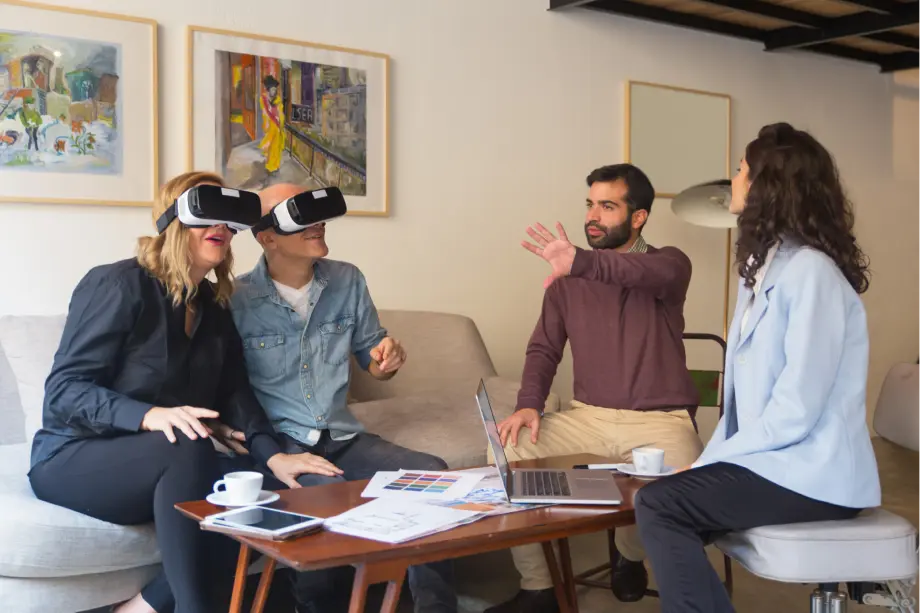
The influence of technology in furnishing management is accelerating. Tools that integrate artificial intelligence (AI), augmented reality (AR), and virtual reality (VR) are transforming how clients interact with designs before a single piece is ordered. AR/VR experiences enable clients to “walk through” a furnished space virtually, making decisions easier and more confident.
AI tools support:
- Data-driven forecasting of trends and customer preferences
- Automated design suggestions based on client inputs
- Generative design features that propose optimized furniture layouts
The rise of smart furniture — pieces with integrated tech like wireless charging, IoT sensors, and voice control — further blurs the line between décor and technology. This trend presents furnishing managers with new categories to recommend and manage.
4. Multifunctional & Modular Furniture
With urban living spaces becoming smaller and more versatile, modular and multifunctional furniture is surging in popularity. Pieces that can transform — such as extendable dining tables, fold-away beds, and seating that doubles as storage — help clients make the most of limited space.
From a management perspective, showcasing modular options requires an inventory strategy that highlights flexible configurations, training staff on product benefits, and using configurators that let clients visualize combinations.
5. Well-Being & Ergonomics in Every Room
Furniture is no longer just about looks — it’s about comfort, health, and productivity. Ergonomic designs that support posture and well-being are especially crucial in home offices and collaborative workspaces. Adjustable desks, posture-supporting chairs, and furniture that accommodates long-duration use are in high demand.
Furnishing managers now need to advocate for ergonomics as a core value, not a luxury. Educating clients on the long-term health benefits and integrating wellness criteria into project proposals becomes a competitive advantage.
6. Holistic Design Trends Influencing Management Choices
Beyond furniture pieces themselves, broader design trends are shaping furnishing management :
Organic & Curved Forms
Furniture is embracing softer silhouettes and flowing shapes. These designs evoke comfort and calm, moving away from rigid, ultra-minimalist forms.
Natural and Warm Palettes
Colours inspired by nature — warm neutrals, earth tones, deep browns — are replacing stark minimalism, signalling a shift toward cozy and emotionally resonant spaces.
Blurred Indoor-Outdoor Boundaries
Furniture that complements both indoor and outdoor environments (like rattan and bamboo pieces) is gaining traction, reflecting a lifestyle trend of merging interior comfort with outdoor living.
Design trends like these affect what clients request, what furniture lines perform best, and how managers plan procurement.
7. Data-Driven Planning & Analytics
In a competitive market, intuition alone isn’t enough. Furniture businesses are increasingly using data analytics to forecast demand, manage inventory, and optimize pricing and promotions. This allows furnishing managers to reduce waste, improve lead times, and tailor offerings to emerging customer behaviours.
Analytics can reveal patterns like:
- Peak seasons for home office furniture
- Growth in eco-friendly product categories
- Preferred materials or styles by region
By leveraging data, furnishing management becomes not only more efficient but also more strategic.
8. Collaboration Across Disciplines
Lastly, 2026 emphasizes collaboration — designers, suppliers, project managers, and digital experts are working closer than ever. Integrating workflows across disciplines ensures consistent communication, reduces delays, and enhances client satisfaction.
Managers who facilitate collaboration between design aesthetics and operational realities gain stronger project outcomes and happier clients.
Conclusion :
Furnishing management in 2026 is defined by sustainability, personalization, technology, and human-centric design. As consumer expectations evolve, so must the strategies that guide how furniture is designed, sourced, implemented, and managed.
Those who embrace data, champion sustainability, leverage digital tools, and prioritize comfort will lead the industry forward. And platforms that support these capabilities - like LetMeFurnish - can be instrumental in helping businesses streamline processes, deliver value, and stay prepared for the furnishing challenges and opportunities of tomorrow.